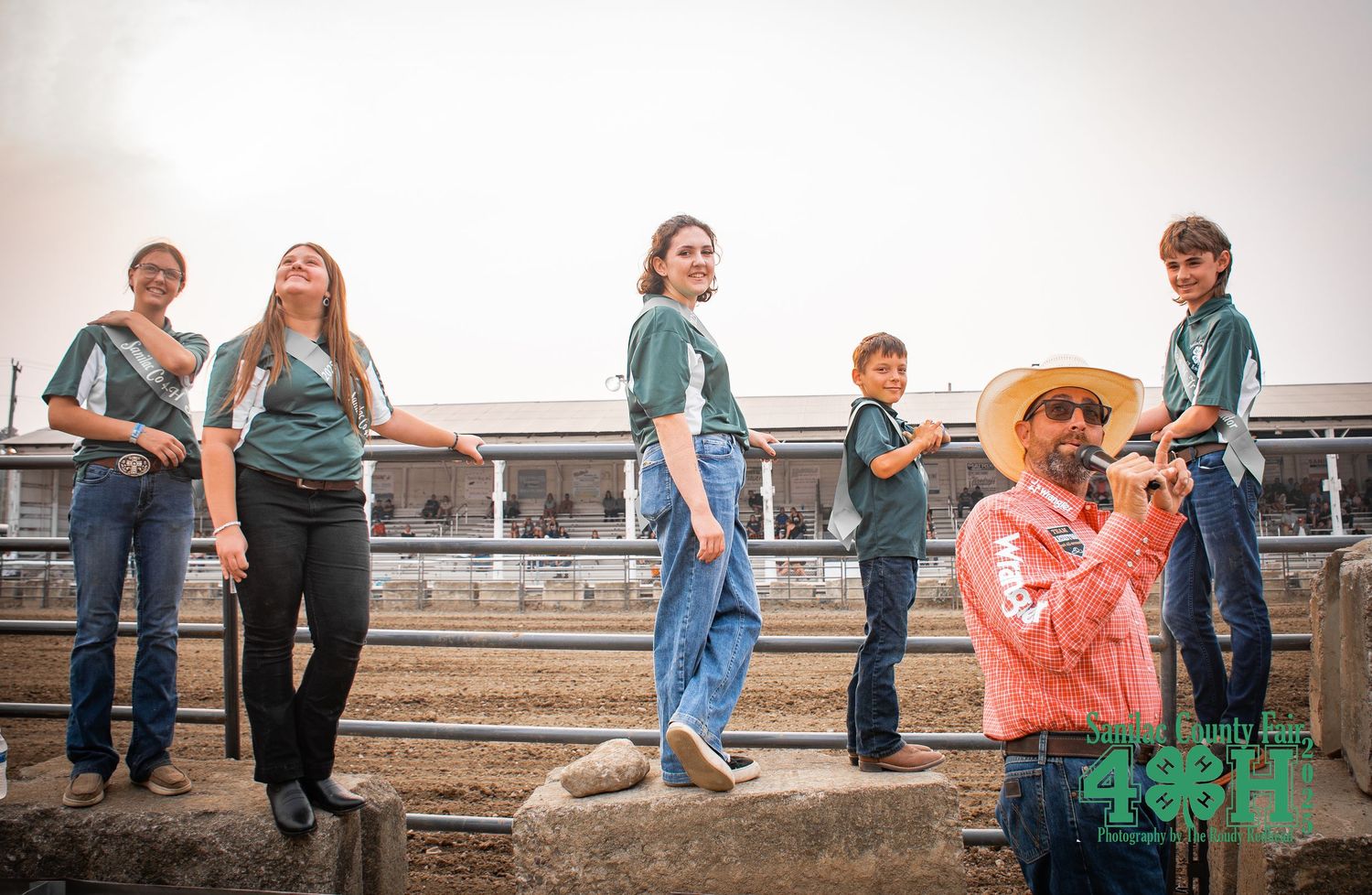
For seven straight days, I live at the fairgrounds.
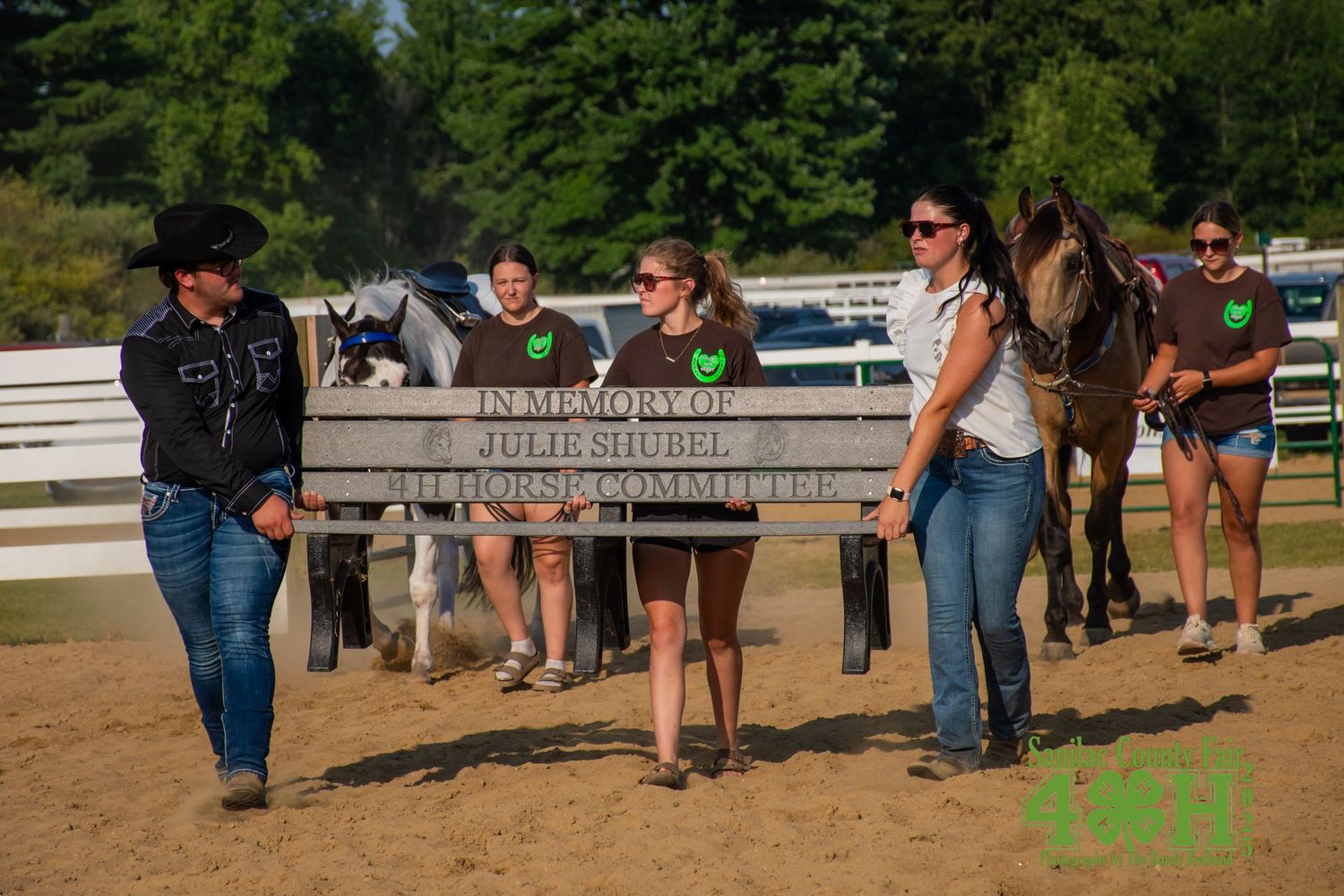
The mornings start early. The air is already warm. Fans hum in the barns. Animals shuffle in their pens. Exhibitors — some barely tall enough to see over the rail — are brushing, wiping, adjusting, preparing.
Months of work lead to these few minutes in the ring.
And I get to stand there and witness it all.
By the end of fair week, my boots are coated in dust, my shoulders ache, and my camera card holds thousands of moments that will never exist again in quite the same way.
Being a 4-H fair photographer isn’t just a job. It’s a full immersion into a world that runs on hard work, hope, and heart — all under the relentless sun of a summer week.
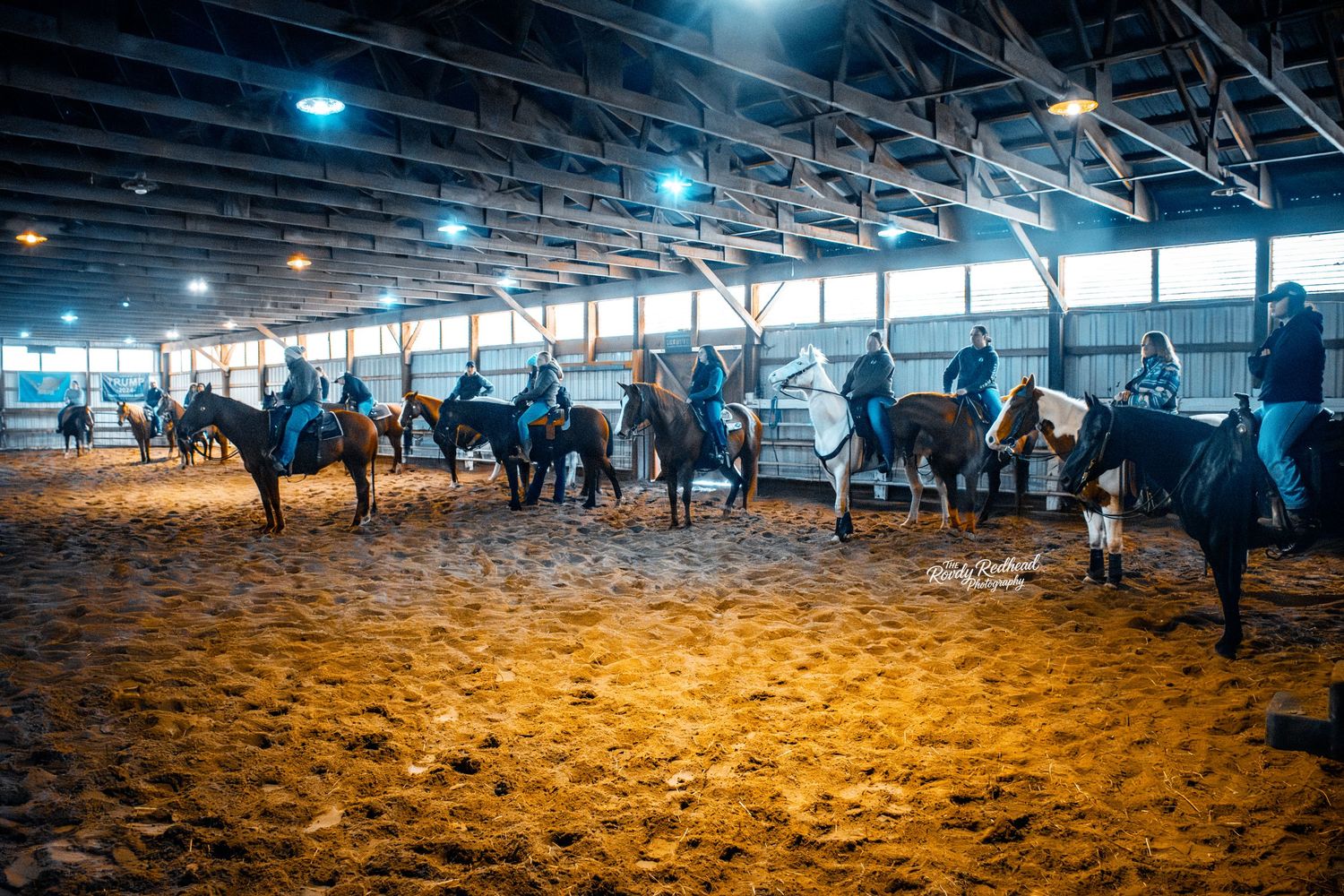
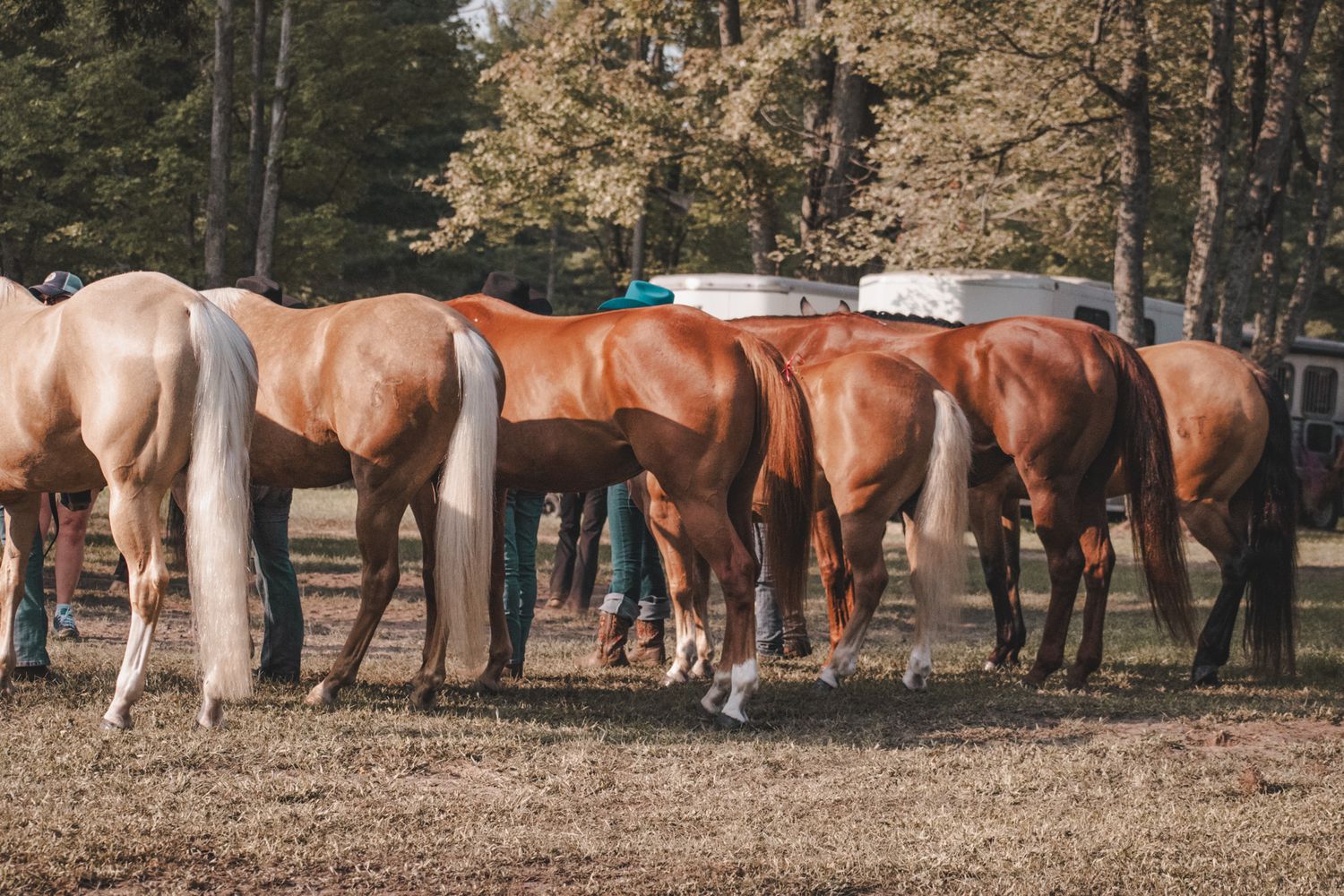
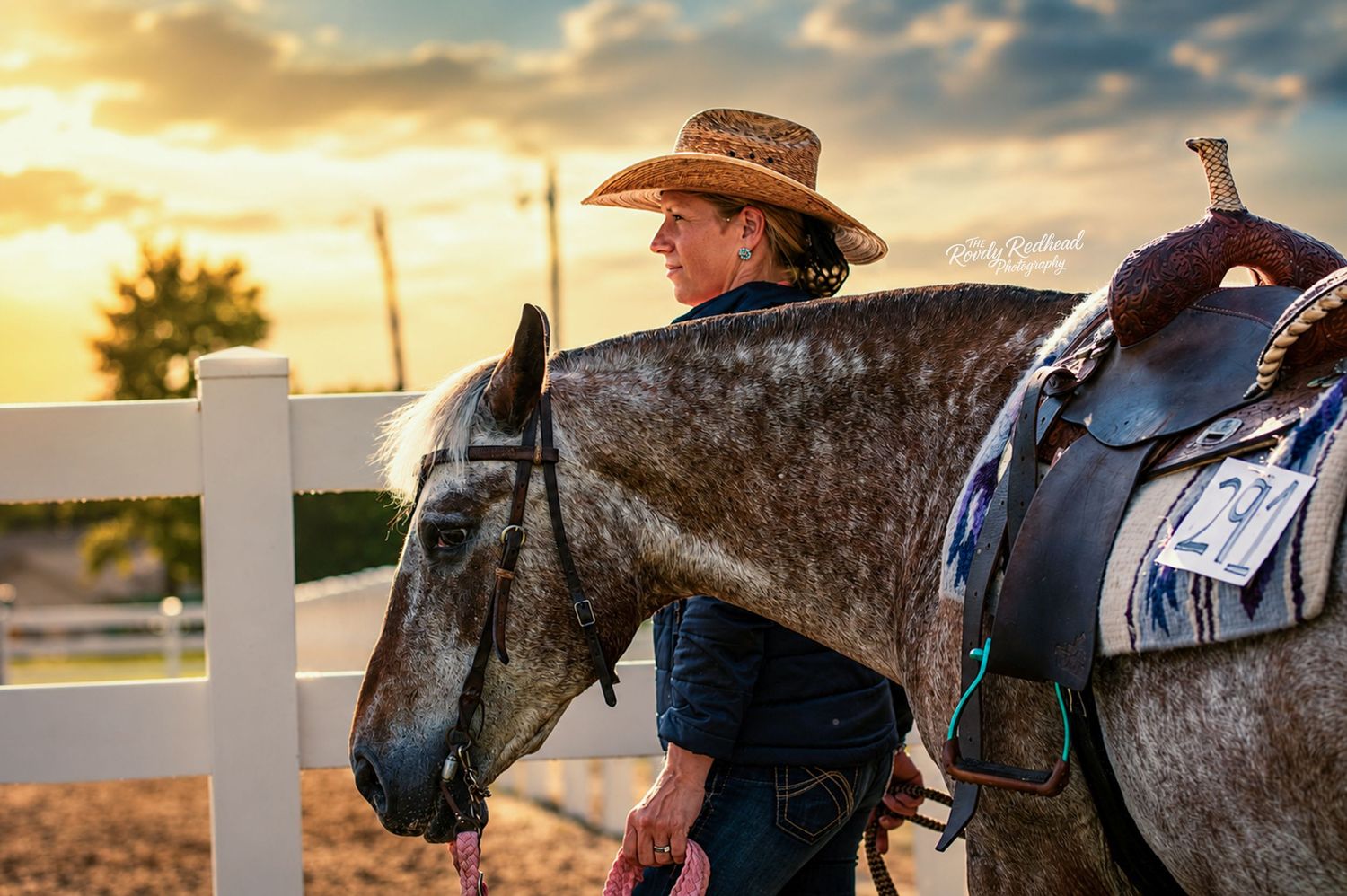
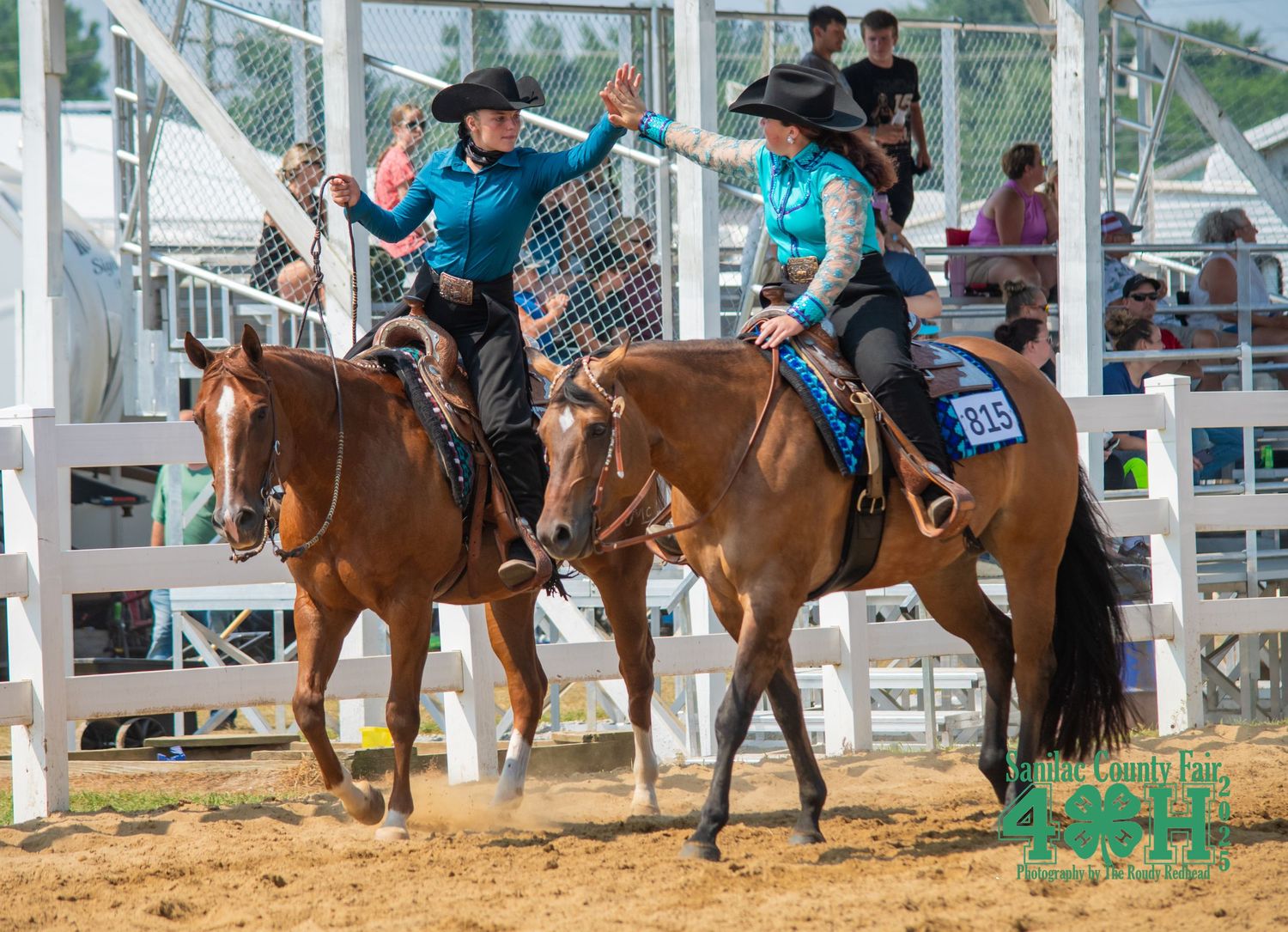
There’s a specific kind of magic in the horse arena during those first hours of light. The dust floats in golden streaks, and the rhythm of hooves hitting the dirt feels like a heartbeat. As an equine photographer, this is where I’m most at home. On any other weekend, you’d find me braced against the rail from the first class to the last.
But during the fair, my lens has to wander. I’ve learned to delegate my time across the grounds, yet my heart always pulls me back here.
I watch through the glass as a rider enters the ring—shoulders back, nerves tucked carefully behind a wall of focus. I’m looking for that split second where horse and human breathe in sync: a pattern executed, a sliding stop, that one quiet pat on the neck that says we did it.
Then comes the lineup.
You can see the raw vulnerability in their faces—that fragile bridge between hope and fear. The pause before the results are called feels endless. When the ribbon is finally handed over, the reaction is never the same twice. Sometimes the smile is steady; sometimes it trembles. Sometimes, it’s just tears.
I’ve realized I’m not just there to photograph the win. I’m there to capture the relief.
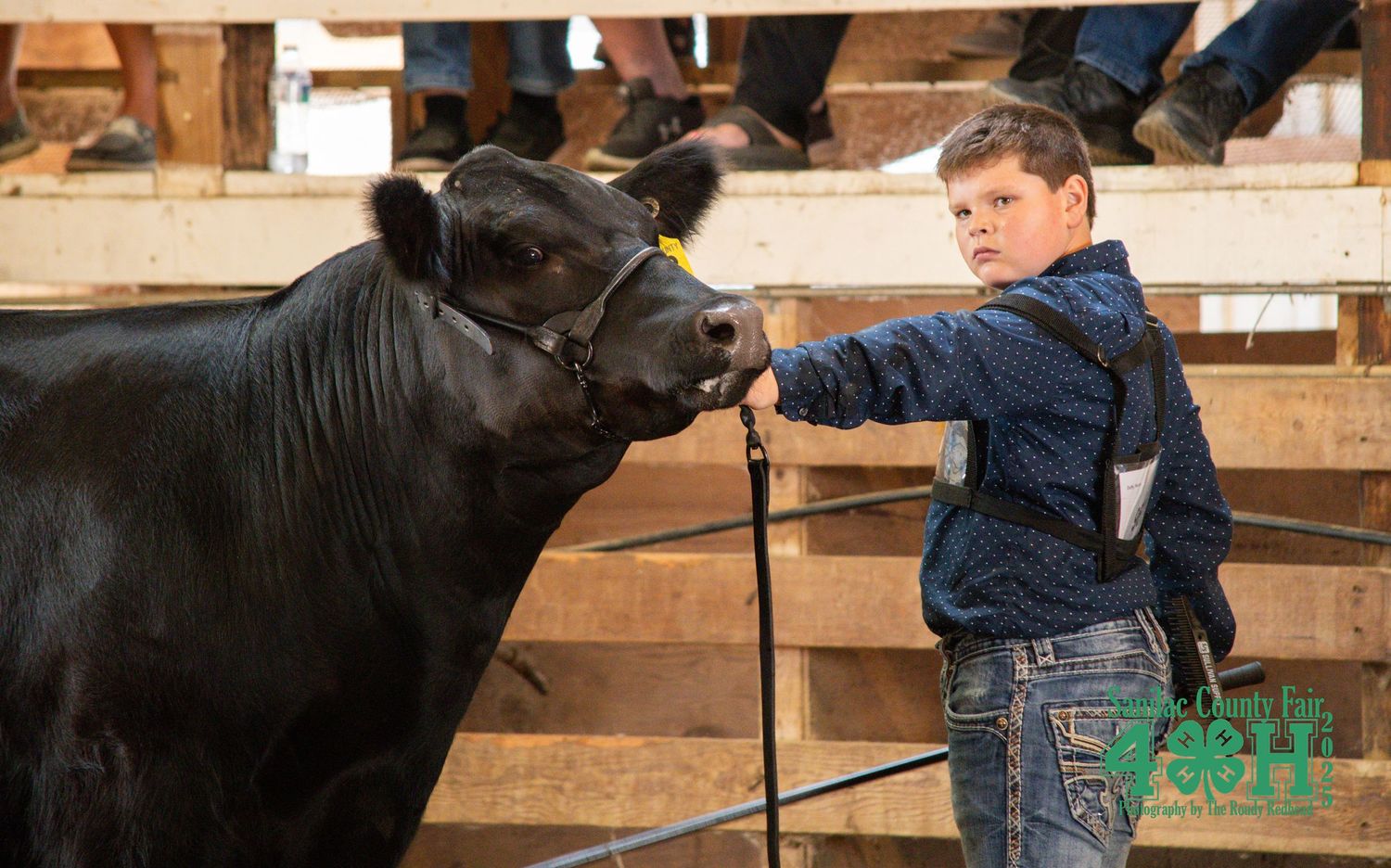
The cattle barn carries a different kind of energy—steady, serious, and thick with anticipation. Having photographed several shows now, I’ve realized that my knowledge grows alongside these exhibitors every year. It’s no longer just about snapping a photo; it’s about the technical intuition of knowing exactly where to stand and anticipating the animal’s movement to catch that perfect, squared-up stand.
I’ve watched kids grow up through my viewfinder. I’ve seen shy ten-year-olds transform into confident seniors who lead with a quiet, practiced authority. There’s a specific moment I always hunt for: the judge’s handshake.
To me, that frame captures so much more than a win. It freezes months of 4:00 AM feedings, shivering in the cold, and the tireless work of clipping and bracing. When I click the shutter, I’m not just documenting an award—I’m documenting the grit it took to get there.
Horse Shows: Dust and Determination
Cattle: Quiet Pride
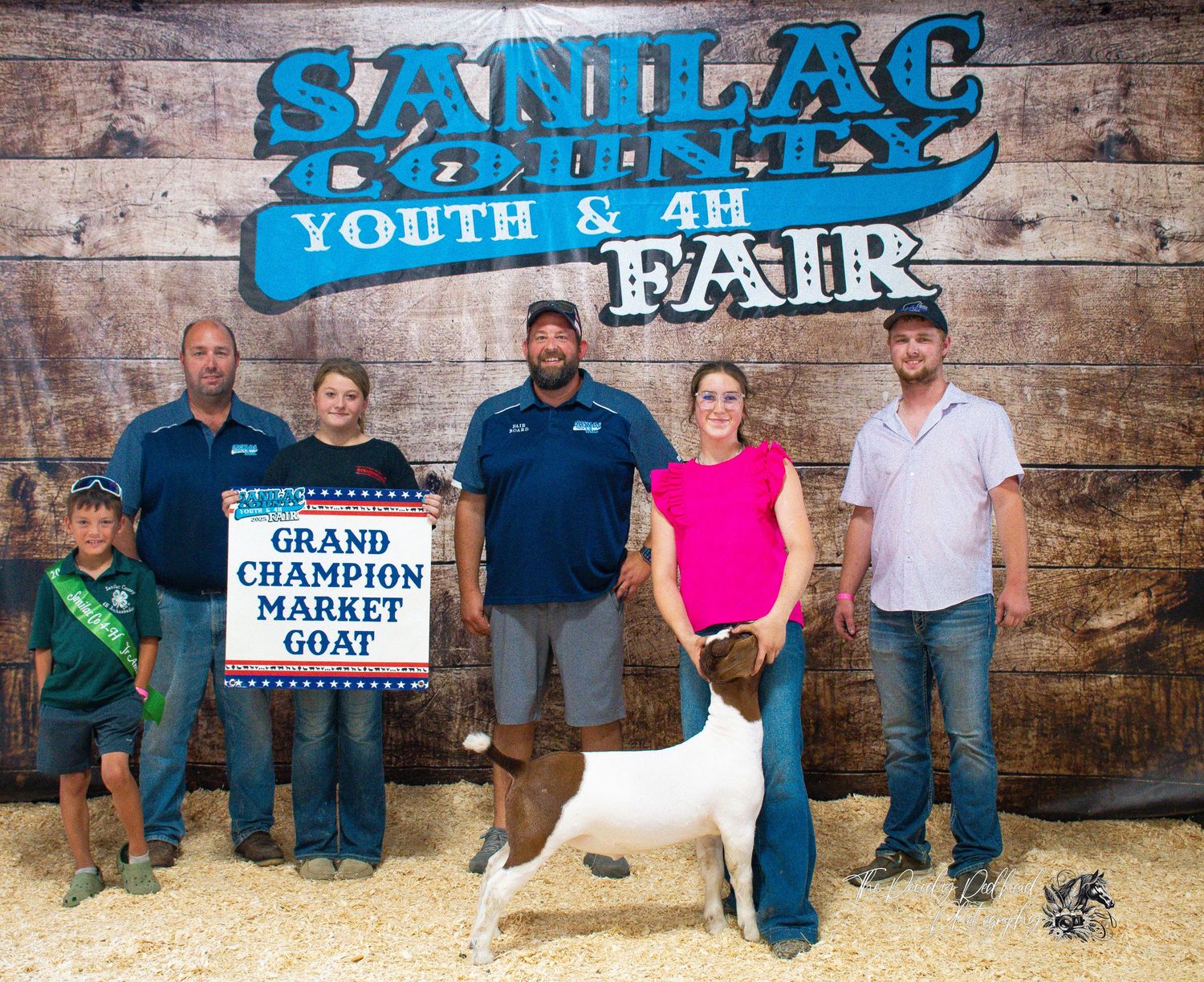
Goats: Controlled Chaos
Sheep: Focus and Fire
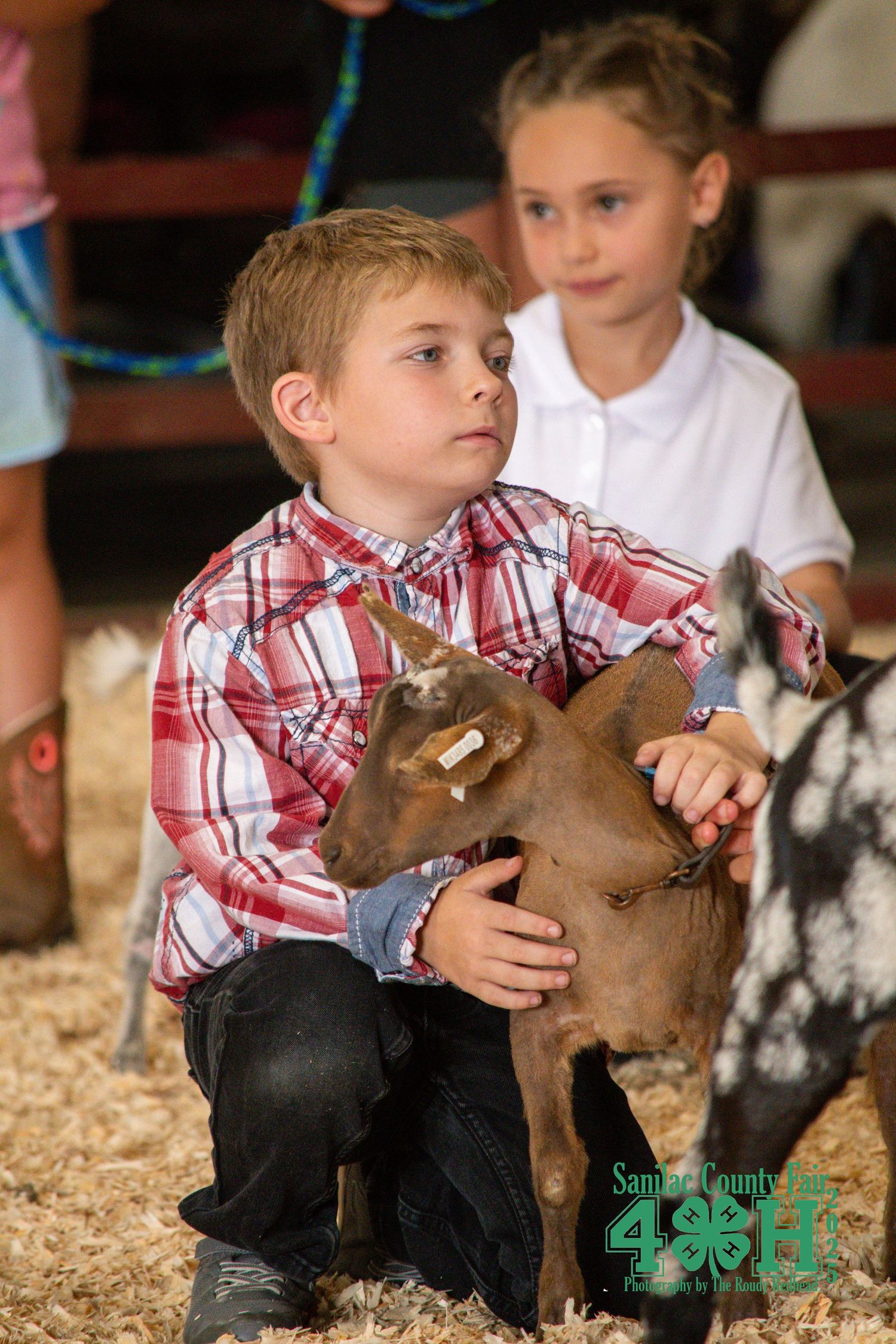
Goats don’t always cooperate, and honestly, that’s exactly why I love them. Growing up with two goats, I learned early on that they are as lovable as they are unpredictable. They have this way of being total characters—equal parts stubborn and affectionate—that makes every moment with them feel like an adventure.
In the goat ring, that personality goes into overdrive. Things move fast. You’re constantly adjusting, trying to balance firm control with the kind of patience only a goat owner understands as they test every single one of your boundaries. The expressions you see on the exhibitors' faces are the real deal: determination, a flash of frustration, and a whole lot of pride, often shifting within seconds.
But when it finally comes together? When they stop dancing and finally stand square in the lineup? That smile feels earned because you aren't just showing an animal—you're working with a partner who has a mind of their own.
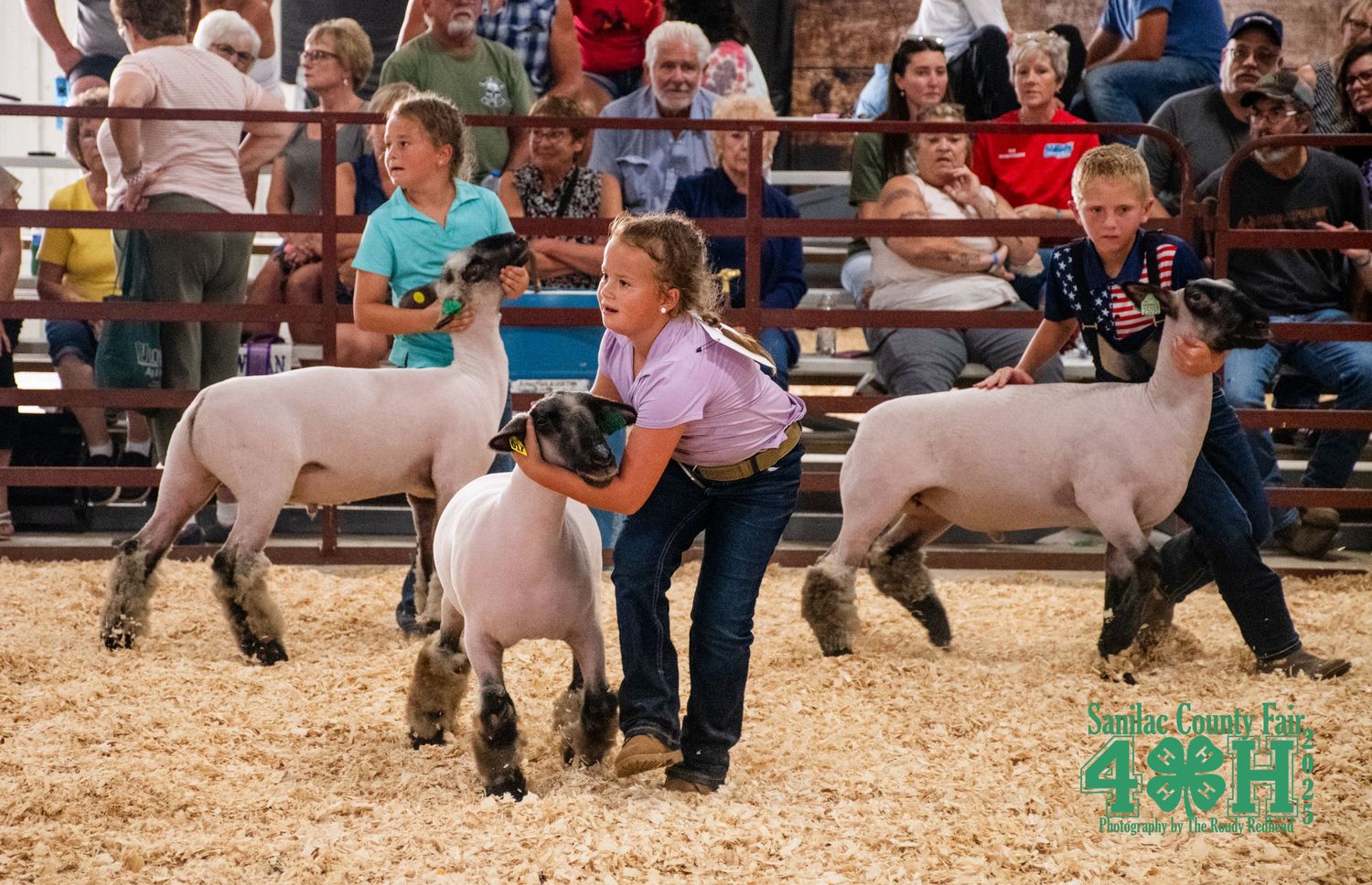
There’s a quiet intensity in the sheep ring that I wasn’t quite expecting. I’ll be honest: I’ve always wanted to photograph mutton busting, but getting this close to the action in the ring was a very close second.
Up close, it’s incredibly physical. You see exhibitors bracing their animals with every ounce of strength, muscles tense and eyes locked forward. It’s focused and deeply personal. I’ve watched tiny hands grip into thick wool with everything they’ve got, absolutely refusing to give up their spot. And while sheep eyes kind of creep me out with that uncanny, horizontal gaze, I couldn’t look away from the human element of it all.
I’ve seen competitors lean over to clap for one another the second the results are called. Those moments—the grit, the nerves, and the genuine sportsmanship—they matter just as much as the banners hanging at the end of the day.
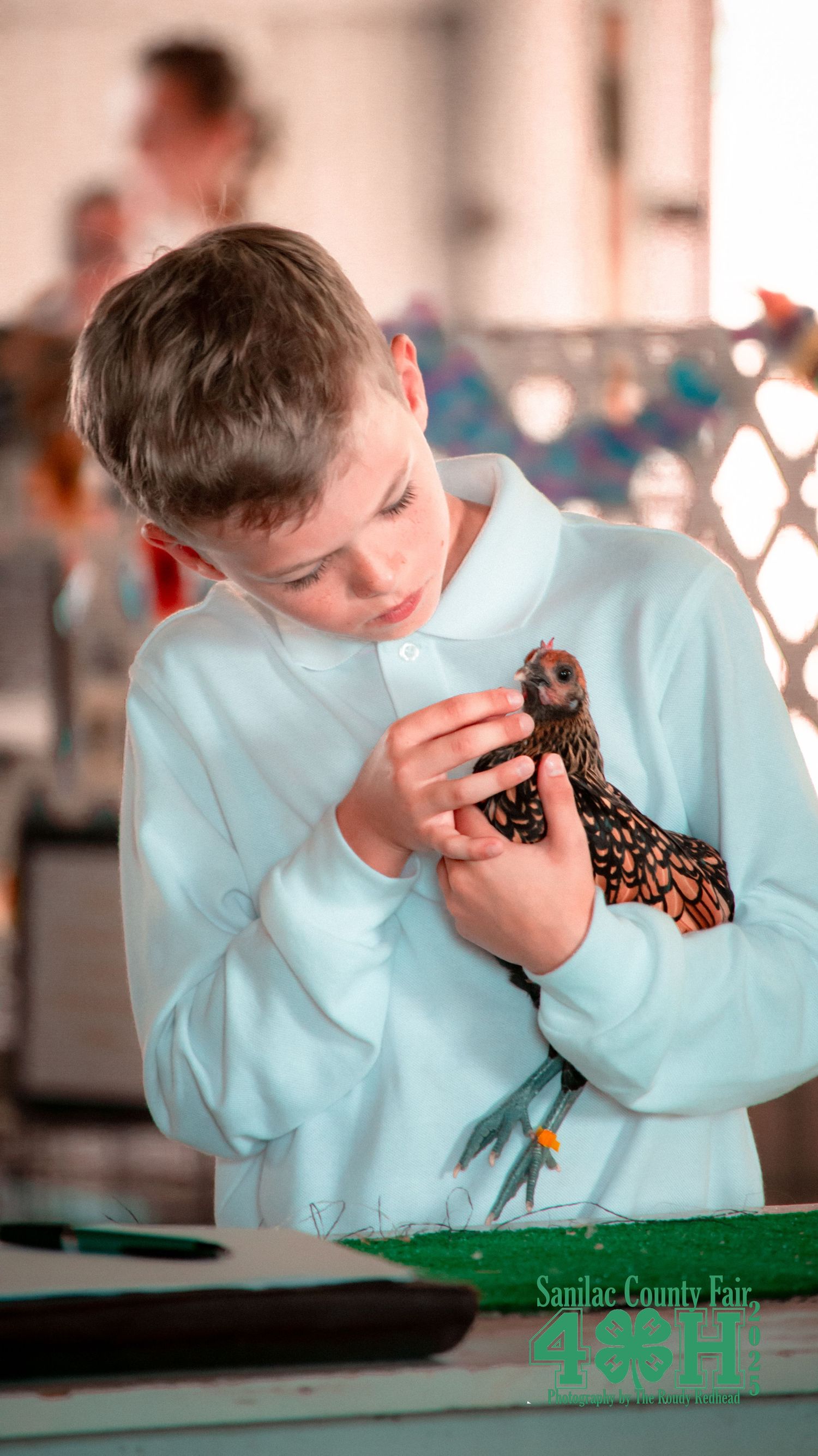
Poultry: Gentle Pride
Walking into the poultry barn, I’ll be honest: I knew absolutely nothing about what it took to show a chicken. I expected noise and feathers, but what I found was something much softer and more deliberate.
The atmosphere is calmer here. Exhibitors stand beside carefully cleaned cages, adjusting a wing or smoothing a breast while pointing out feather quality and posture to the judges. I spent a good portion of my time just listening; a few of the parents were kind enough to pull me aside and educate me on the process, explaining exactly what the judges were looking for and the nuances of the birds they’d raised since they were hatchlings.
When I photograph a child beside their chicken, duck, or turkey, I see more than just a farm animal. I see quiet pride—a deep, steady connection that comes from months of early mornings and meticulous care. It may not be the loudest event at the fair, but after everything I learned, it’s clear it holds just as much heart.
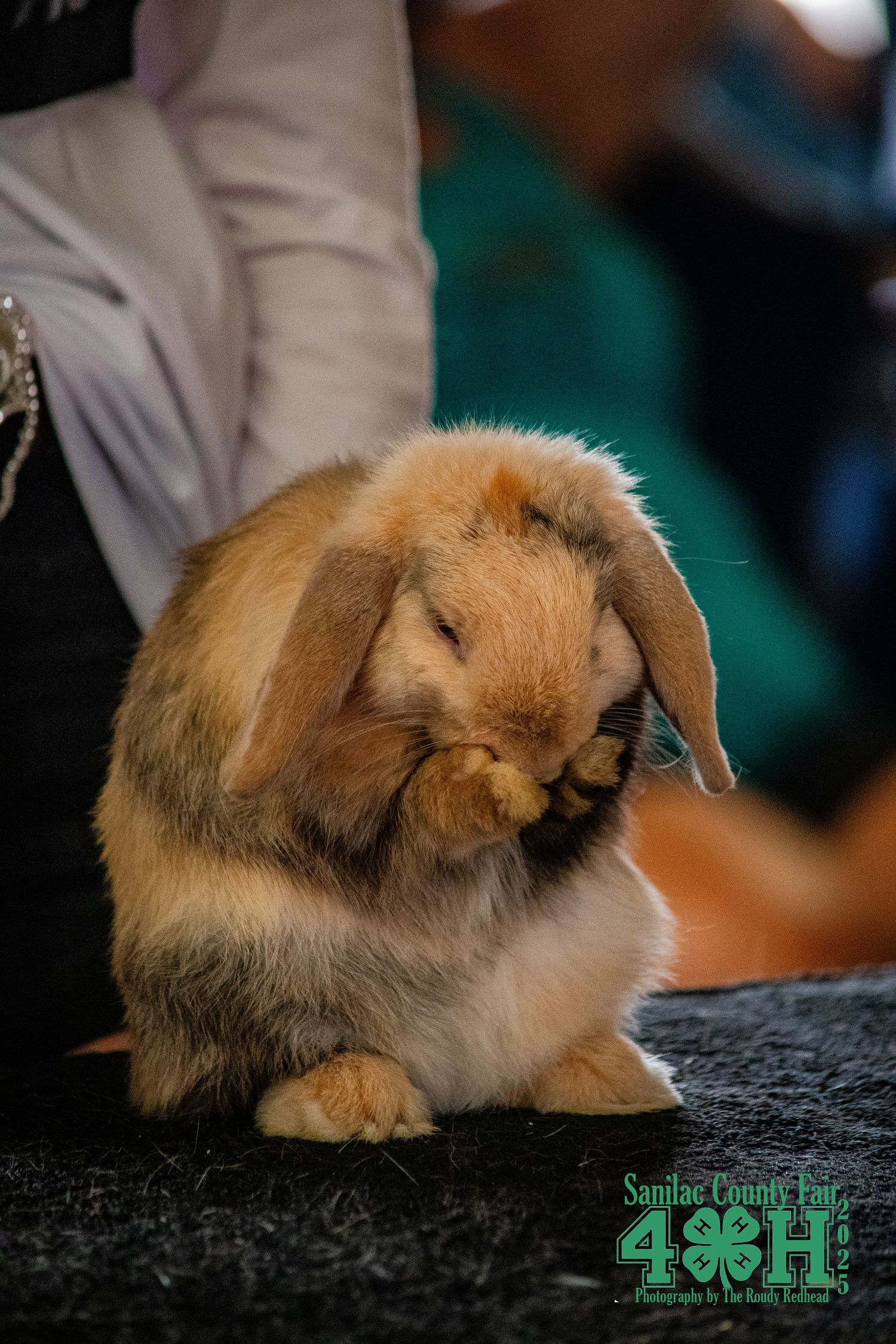
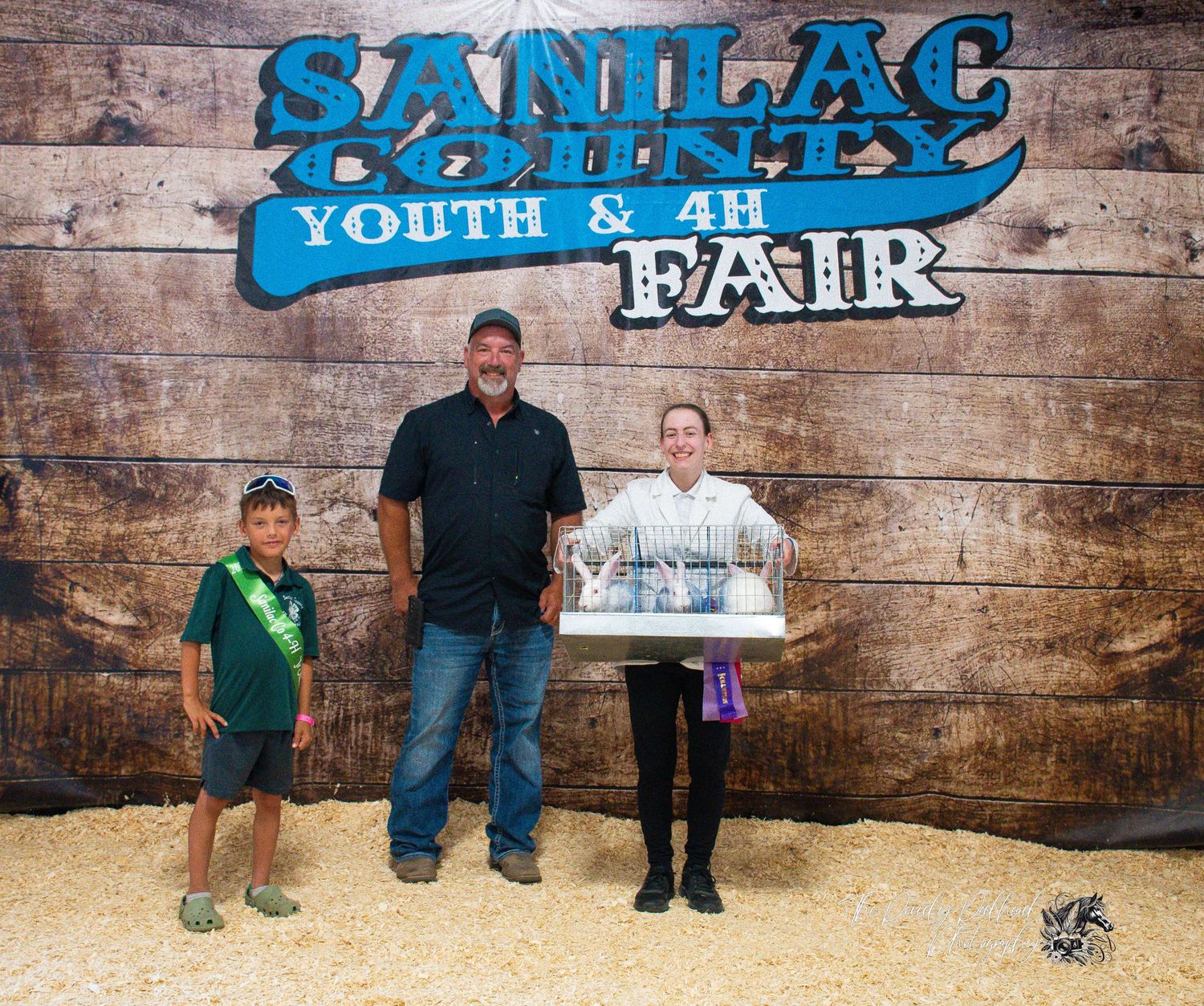
Rabbits: Small Hands, Big Responsibility
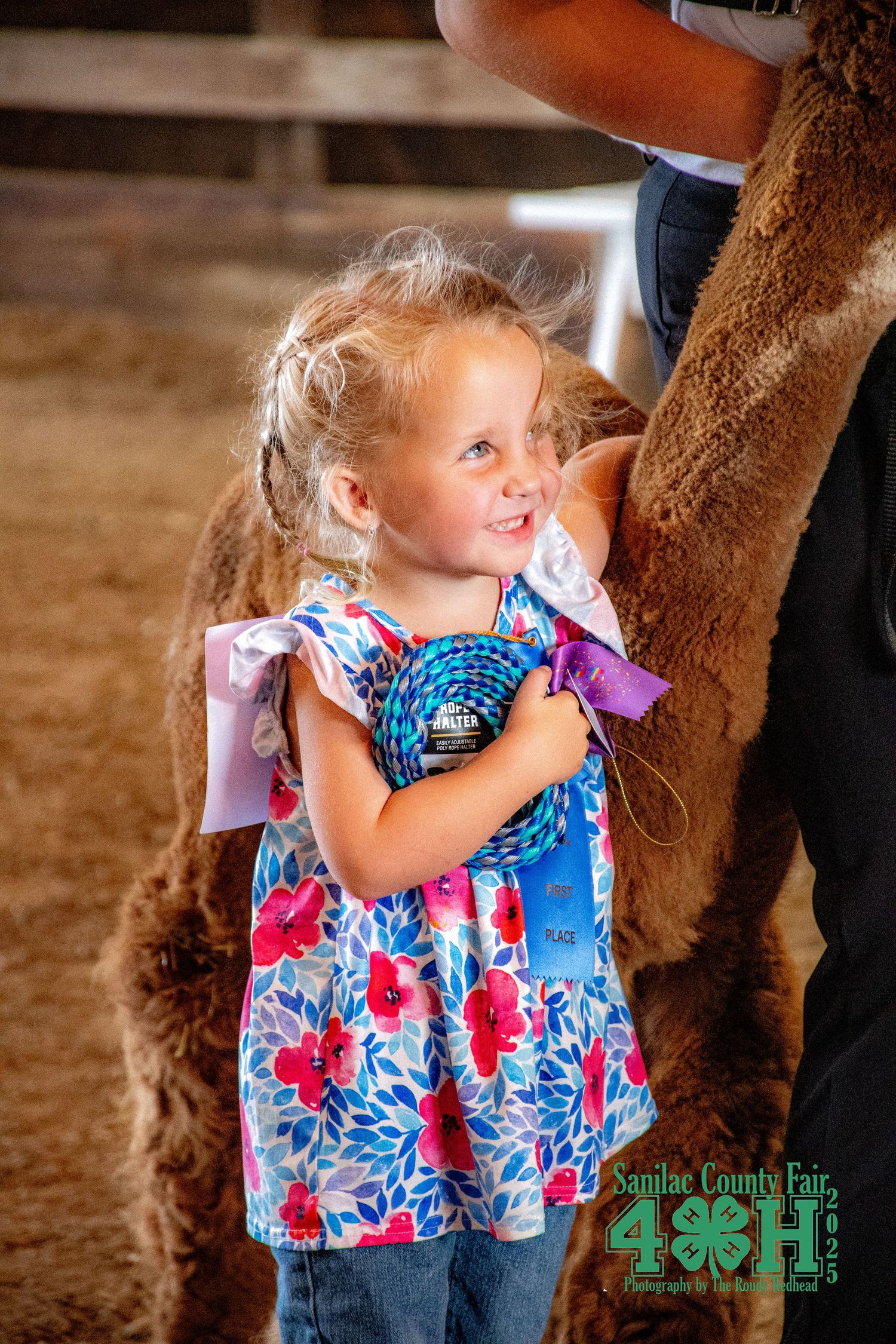
Rabbits bring some of our youngest exhibitors into the spotlight, and honestly, there is something sacred about capturing those early milestones. I love watching small hands cradle soft fur and seeing ribbons that look hilariously oversized in tiny fists. These are the "firsts"—the first projects, the first big wins, and even those first tough losses that teach so much.
The atmosphere this year was incredibly moving. The parents were so remarkably friendly; they kept coming up to tell me how happy they were that I was there to document their kids' hard work. It felt like a true community. In fact, some of them even hunted me down later to capture a total role reversal: the parents having to "show" the bunnies themselves!
One final suggestion for the organizers: We absolutely need to introduce bunny jumping next year. Can you imagine the photos? It would be beyond adorable and a guaranteed crowd-pleaser.
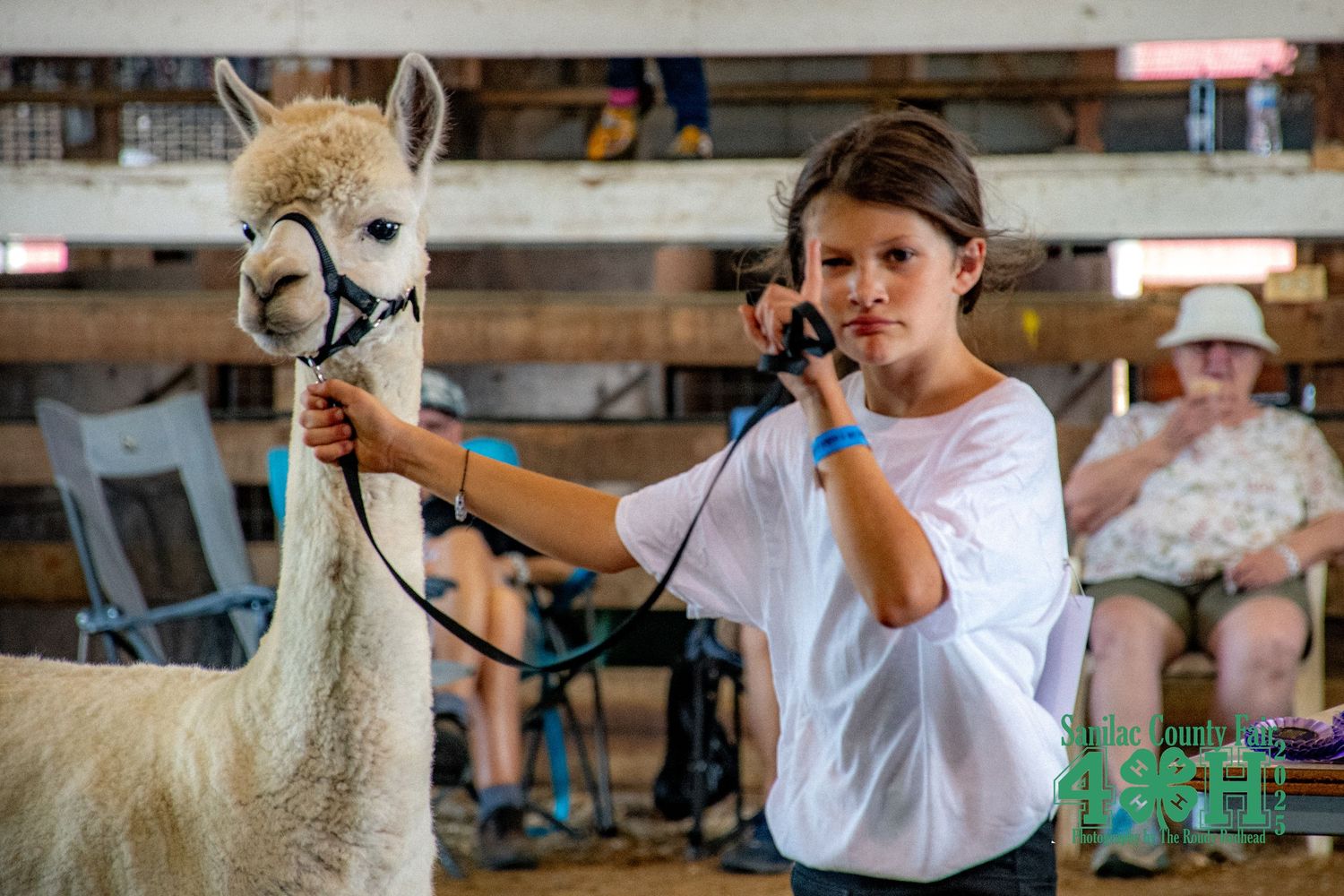
Llamas: Personality on Display
There is something uniquely joyful about working with llamas. They bring a restless, wide-eyed curiosity to every shoot that honestly reminds me of ferrets discovering a ball pit for the first time—pure, chaotic wonder.
They have this natural ability to draw a crowd and turn heads, but for me, the magic is in the challenge. Photographing them means staying constantly ready; you never want to miss those twitching ears, the inquisitive head tilts, or the sudden, goofy reactions that catch everyone off guard and break into laughter.
On those long, demanding days, they provide a much-needed sense of lightness. They’re my favorite reminder that even when we’re working, not every moment has to be so serious.
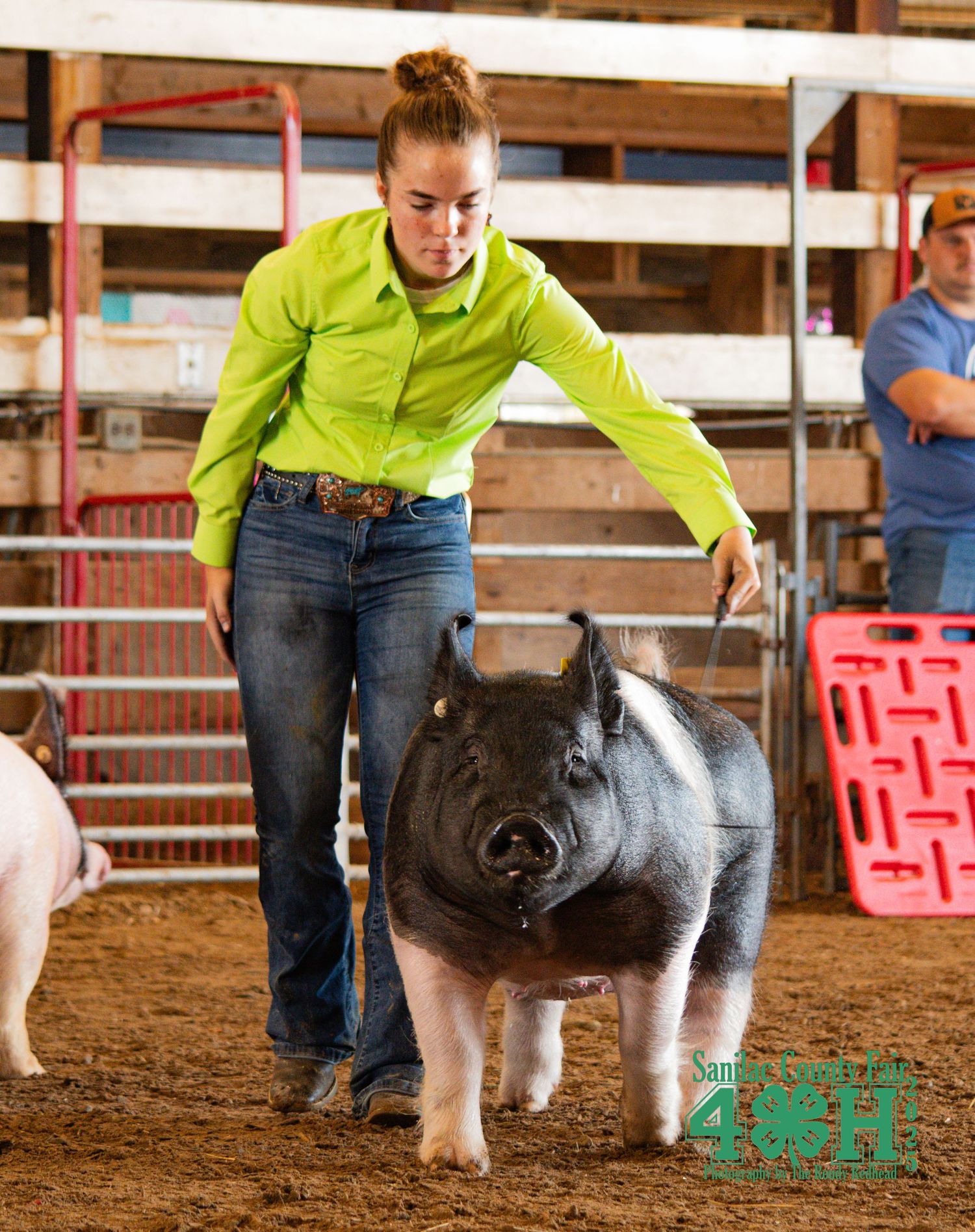
Pigs: Energy and Emotion
The pig ring is pure, unadulterated chaos from start to finish. Honestly, there isn’t even a decent place to stand to get a clean shot; you’re constantly dodging stray livestock and shifting crowds just to see the action.
There are pigs absolutely everywhere, and any sense of organization seems to have vanished long ago. Amidst the mess, the exhibitors are a sight to behold—they have this fierce, almost frightening determination etched into their expressions. It gives the whole show this cold, "angry robot" energy that feels both mechanical and intense.
Exhibitors guide their pigs in wide arcs, boots kicking up shavings and sweat dripping down their faces in the heat. It’s loud, it’s frantic, and it’s fueled by raw adrenaline. But for me, the moment that really sticks—the one that stays with me every year—happens much later, in the quiet gravity of the livestock auction.

Id vitae morbi mattis placerat molestie dui. Massa nisi in vitae nunc. Et consectetur mauris sed id. Donec curabitur id enim laoreet tellus augue elit. Purus commodo ut pellentesque est.

This is a paragraph. Double-click or click edit and enter your own text.

Id vitae morbi mattis placerat molestie dui. Massa nisi in vitae nunc. Et consectetur mauris sed id. Donec curabitur id enim laoreet tellus augue elit. Purus commodo ut pellentesque est.

This is a paragraph. Double-click or click edit and enter your own text.
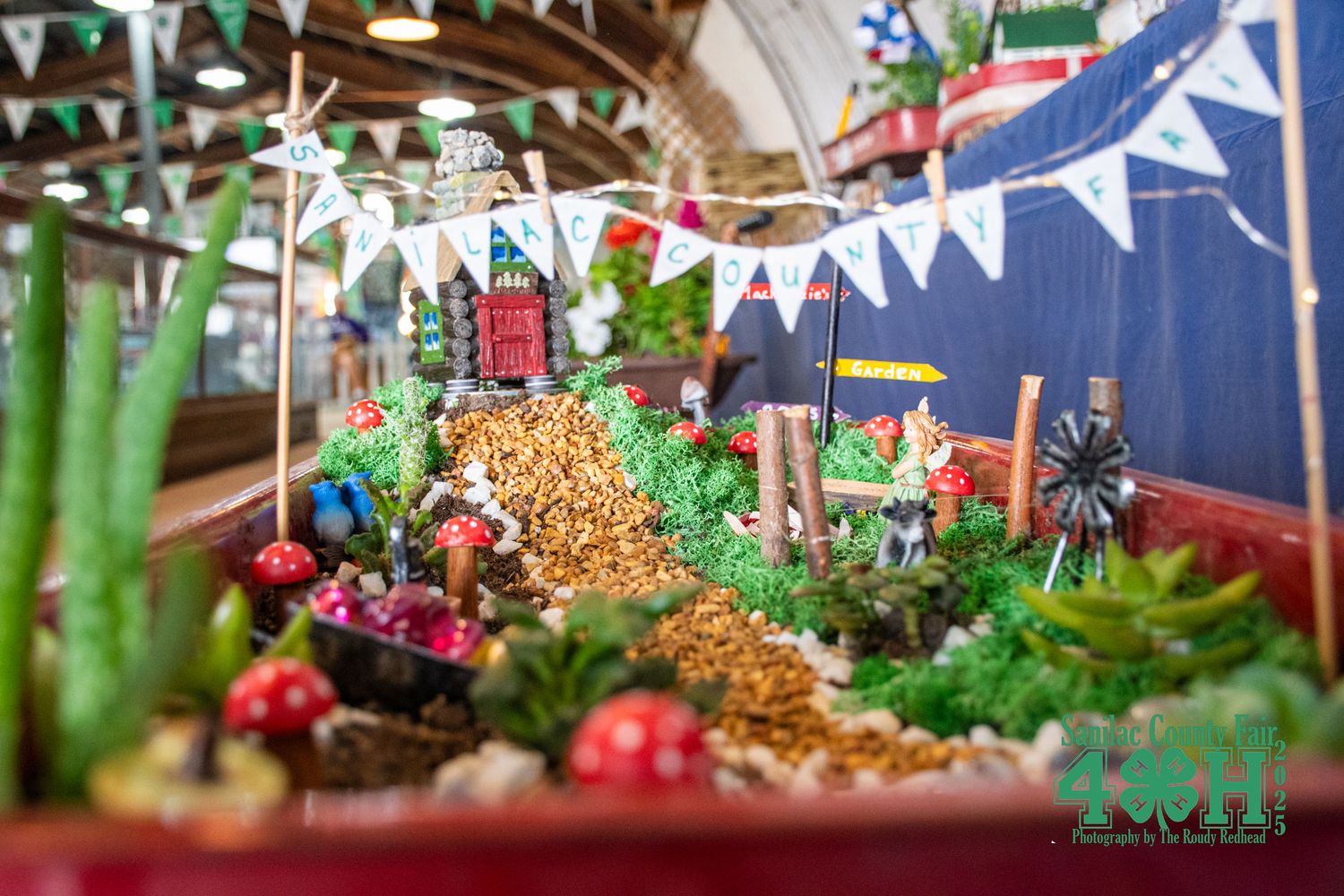
Still Life: Creativity Beyond the Barn
Inside the exhibit hall, the air smells different. Baked goods. Wood shavings. Fresh paint.
Here are projects without hooves: sewing, woodworking, photography, art, gardening, baked pies with carefully woven crusts.
Each display represents hours of quiet dedication. Late nights at kitchen tables. Practice. Patience.
Even while livestock judging happens outside at the same time, these exhibits deserve to be documented with the same care.
Because effort looks different for everyone.
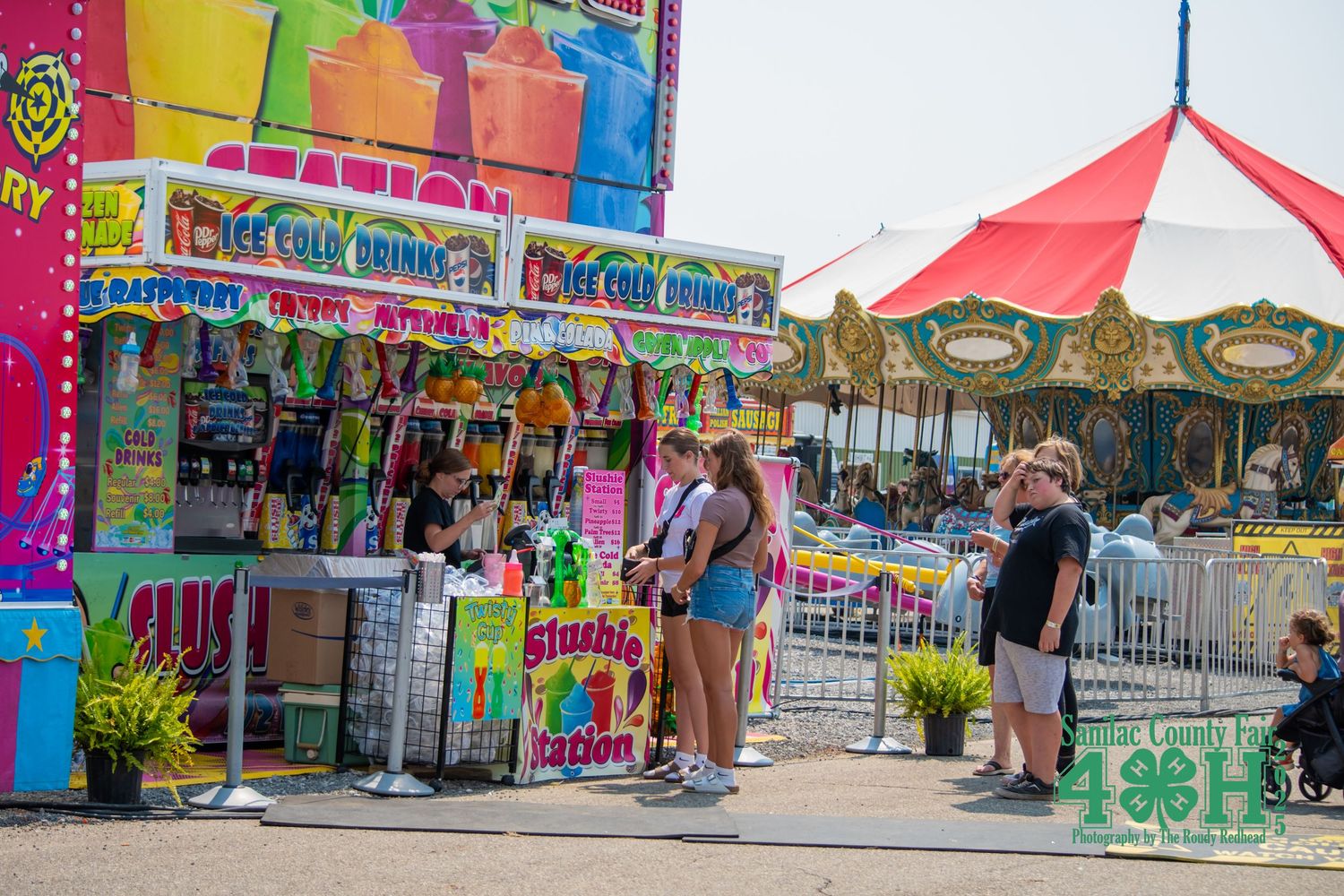
Vendors & Fair Life Between the Rings
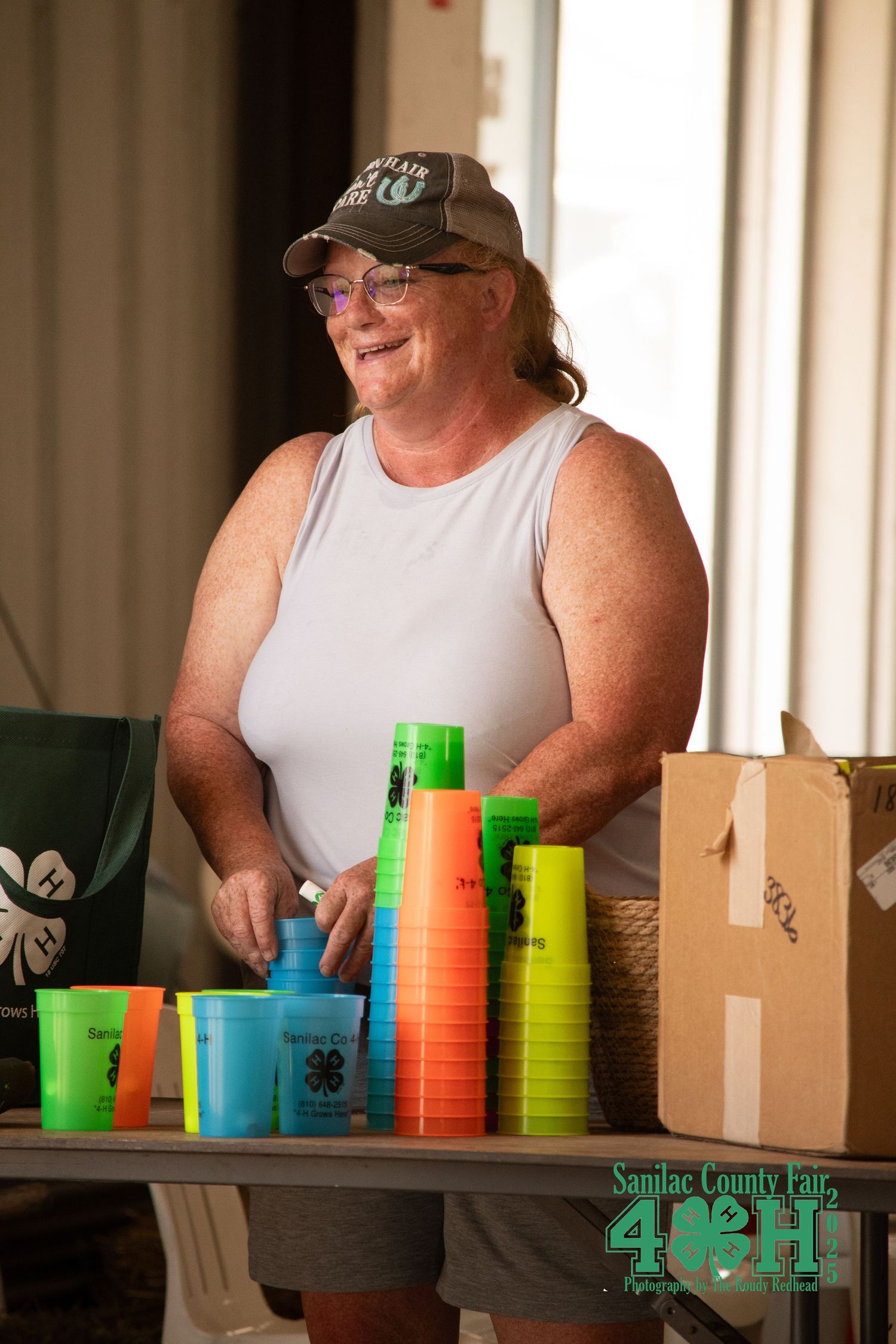
The fair isn’t only about competition; for me, it’s about the community that keeps you standing. If it weren't for the amazing vendors, I honestly wouldn’t have made it through the entire week.
Right in the middle of an event, a brutal migraine hit that almost sidelined me. My mom was spectating and, seeing the look on my face, knew exactly what was happening. She went rushing across the grounds to find help, and a wonderful lady stepped up, offering the Tylenol that allowed me to finish the day. Between that stranger's kindness, my mom’s quick thinking, and a steady supply of iconic fair lemonade to stay hydrated, I found my second wind.
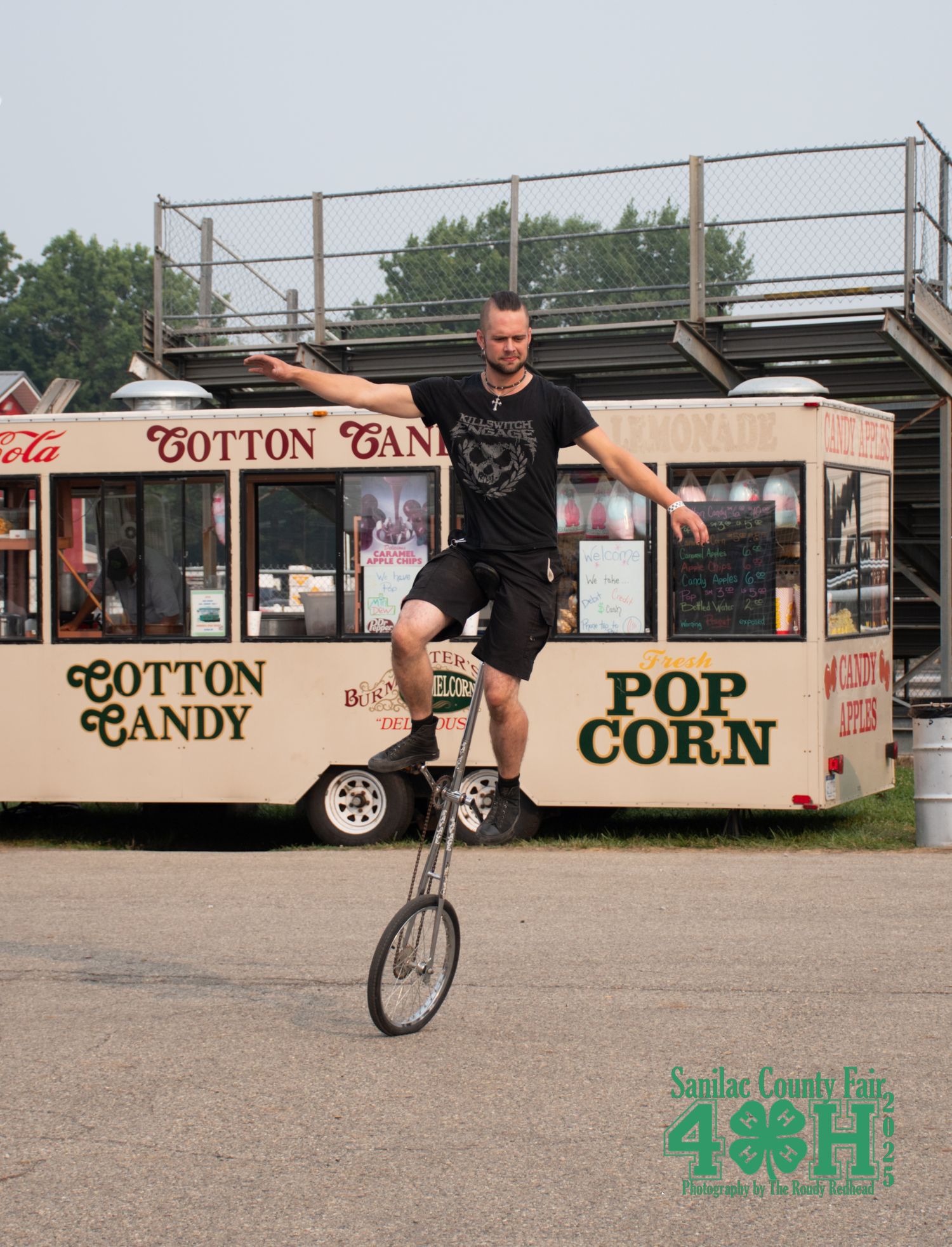
It’s those moments—mixed with the laughter between classes, younger siblings napping in wagons, and friends sharing stories on tack trunks—that define the experience. Vendors call out greetings and the food stands buzz while the midway hums in the distance.
The Livestock Auction: A Day of Goodbyes
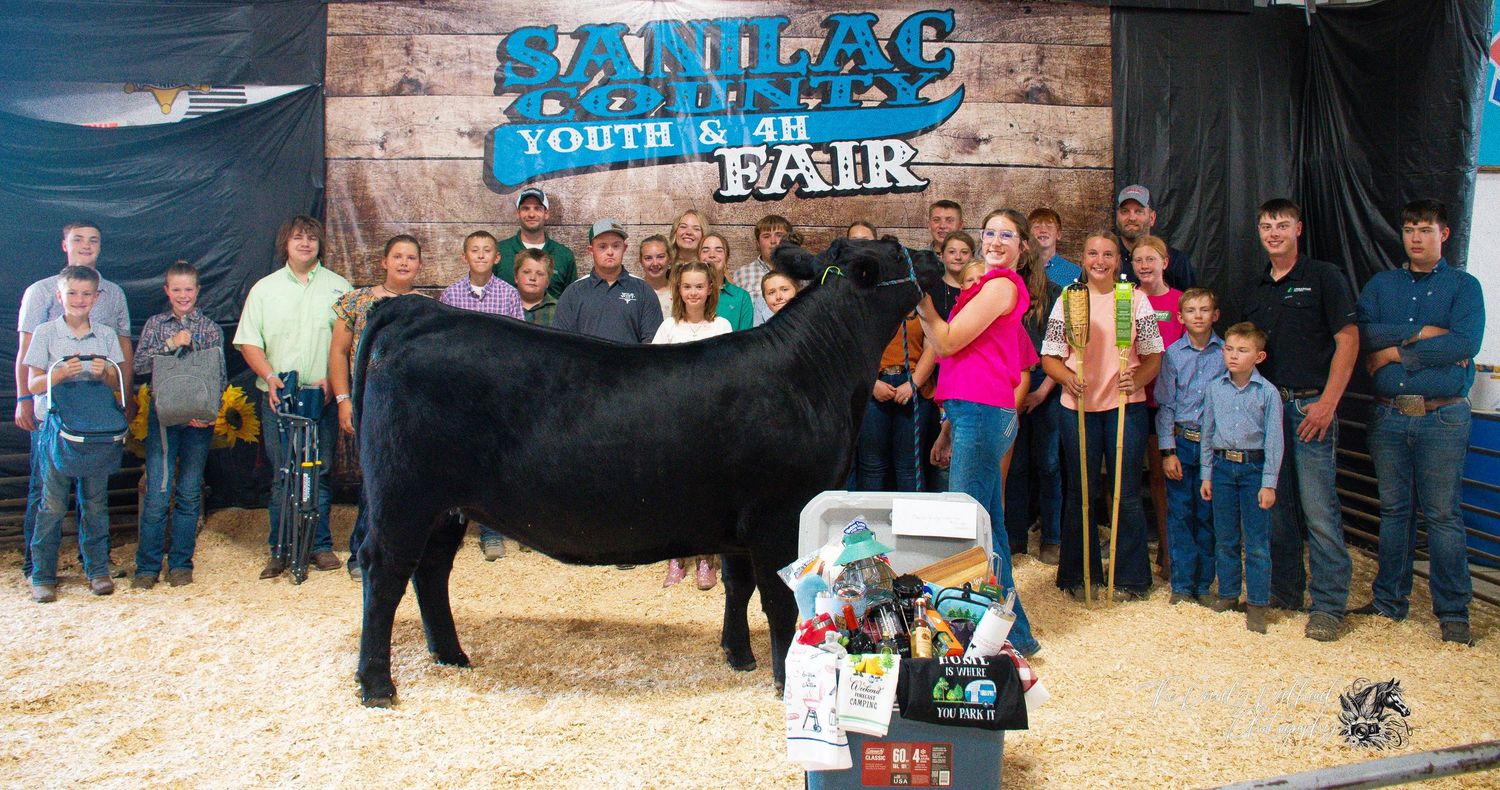
There are no breaks during auction day. It is constant — name after name, sale after sale. This is where an assistant becomes absolutely essential. Someone to help organize, track buyers, keep the line flowing, make sure no moment is missed.
Without an assistant, it is overwhelming. With one, it can become a rhythm — still exhausting, but manageable.
The auction is about more than money. It’s about community showing up for its youth.
And I feel honored to document it.
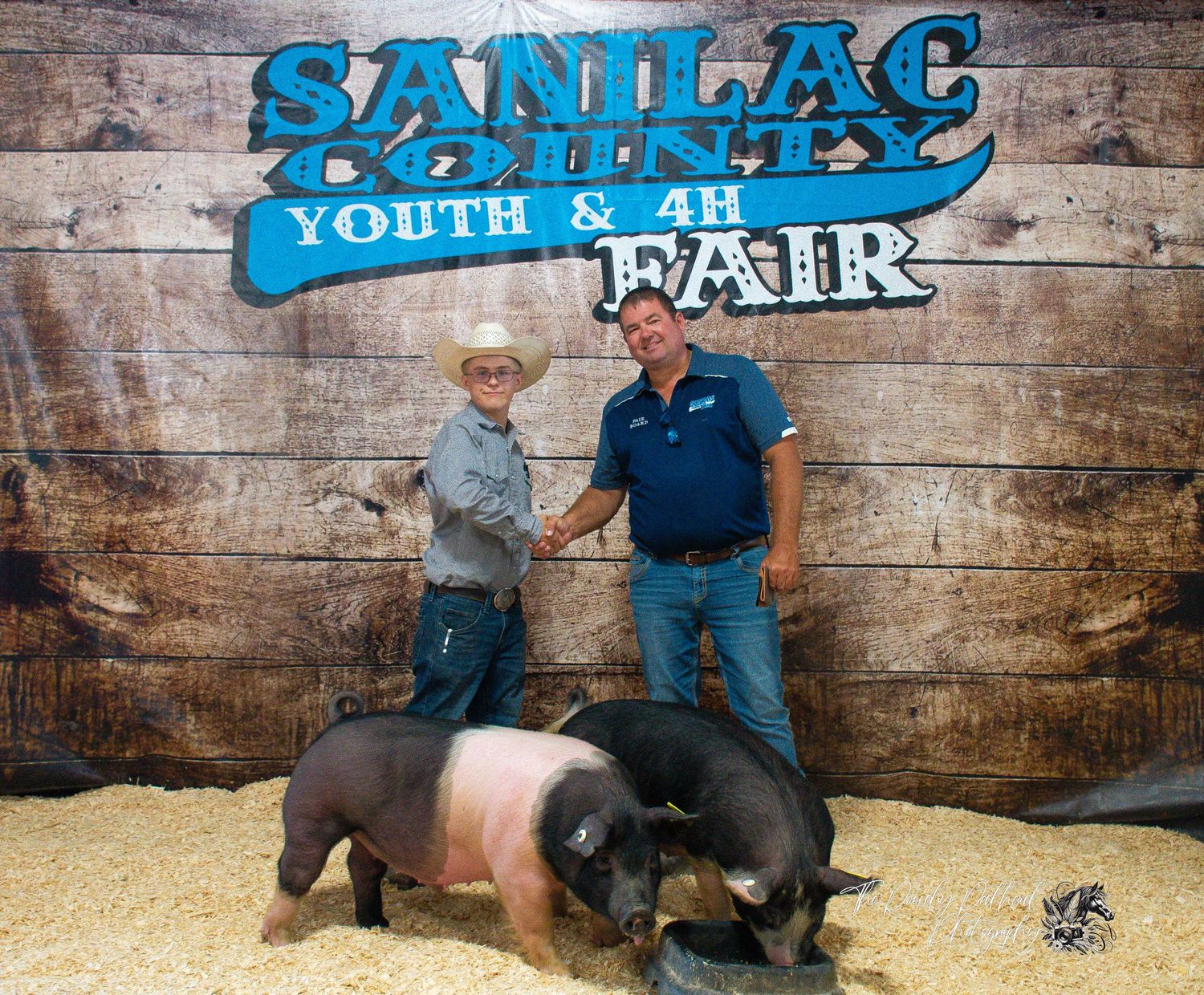
The auction is an entire day by itself.
Exhibitors stand beside the animals they’ve raised for months. Animals they’ve fed before school. Animals they’ve trained and cared for and grown attached to.
The bids climb. Buyers raise paddles in support. The crowd applauds.
And then it happens — the sale is final.
For many exhibitors, this is goodbye.
I photograph the handshake between buyer and exhibitor. The proud smile. The tears they try to blink away. Parents standing just behind them, holding it together.
The Highs and the Heat
There are hard parts.
The relentless summer heat.
The long hours with no real breaks.
Trying to be in two places at once when rings overlap.
The weight of knowing you cannot miss the moment.
But the highs outweigh it all.
The families I meet — people I never would have crossed paths with otherwise.
The returning exhibitors who grow up in front of my camera.
The trust placed in me to preserve something that only happens once.
Because fair week doesn’t repeat itself.
Animals grow. Kids age out. Projects get bigger. Life moves forward.
But photographs hold it still.
And every year, when the dust settles and the fairgrounds go quiet again, I leave exhausted — and grateful — knowing I got to be part of something bigger than myself.
It's all about the real moments of your life.
Not more.
Authentic Moments Unveiled: Embrace the True Essence of Your Life.